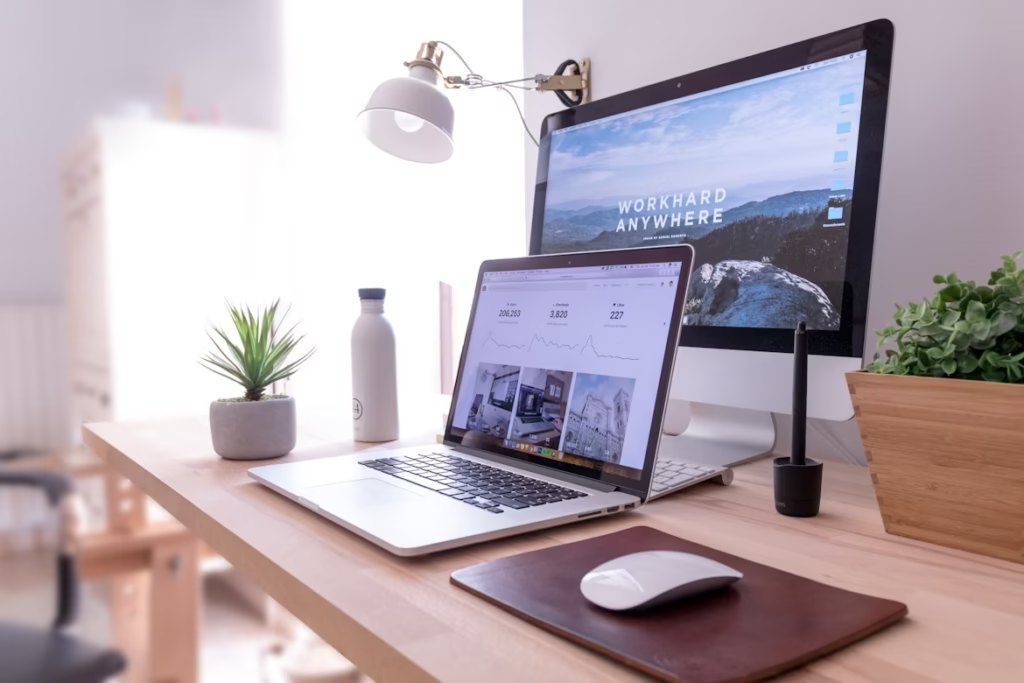
Are you tired of the 9–5 grind and dreaming of working on your own terms? Freelancing in 2026 could be your gateway to freedom. With the freelance economy booming more than ever, opportunities are everywhere—from writing and design to tech, marketing, and beyond.
Whether you want to earn extra income or build a full-time career, learning how to start freelancing in 2026 is simpler than you think. This beginner’s guide will walk you step by step through everything you need—from choosing the right skills to landing your very first client. Even if you have zero experience, freelancing can open the door to flexibility, independence, and long-term success.

✅ What is Freelancing?
Freelancing is a form of self-employment where you offer services to clients on a project or contract basis. You’re not tied to a single employer — you choose your clients, set your rates, and work from anywhere.
Popular freelance services include:
-
Content writing & blogging
-
Graphic design & branding
-
Web development
-
Digital marketing & SEO
-
Virtual assistance
-
Social media management
-
Video editing
-
Consulting & coaching
In short, freelancing lets you monetize your skills without a traditional job.
💡 Step-by-Step: How to Start Freelancing in 2026
1. Identify Your Skillset
Start by figuring out what services you can offer. Think about:
-
What are you good at?
-
What do people ask you to help with?
-
Can you learn or improve a skill that’s in demand?
💡 Pro tip: Use platforms like Skillshare or Coursera to upskill. It also helps to know which freelancing skills clients are actually paying for before you commit months to learning one.
2. Choose a Profitable Niche
Don’t be a generalist. Choose a specific niche — it helps you stand out and charge higher rates.
For example:
-
Instead of “content writer,” go for “health & wellness blog writer.”
-
Instead of “graphic designer,” go for “branding expert for coaches.”
3. Build a Portfolio
Even if you’re just starting, create samples to showcase your skills. You can:
-
Do mock projects
-
Offer discounted work for testimonials
-
Start a blog to showcase your writing
If you’re a designer or developer, platforms like Behance and GitHub are great for portfolios.
4. Set Up Your Online Presence
You don’t need a fancy website on day one. But you must be visible online. Create:
-
A professional LinkedIn profile
-
A freelance account on platforms like Upwork, Fiverr, or Freelancer
-
A simple portfolio site (eventually), like KehkashanJaved.com, to establish credibility
5. Start Pitching Clients
You won’t get work if no one knows you exist. Use platforms and cold outreach:
-
Upwork: Create a strong profile and bid on beginner jobs
-
LinkedIn: Message potential clients in your niche
-
Cold Emails: Find small businesses and startups who may need help
Use this structure:
Hi [Client Name], I came across your [website/project] and loved what you’re doing. I’m a freelance [skill] and would love to help you with [specific service]. Here’s a link to my portfolio. Can we discuss this further?
6. Set Your Rates and Get Paid
Research the market, set a beginner-friendly rate, and increase as you gain experience. Use tools like PayPal, Wise, or Payoneer for global payments. The fees differ more than most beginners expect — this breakdown of how freelancers get paid internationally compares what each one actually costs you.
Don’t forget to track your income and expenses — use free tools like Wave or Notion for basic accounting.
🧠 Common Freelancing Mistakes to Avoid
-
❌ Undercharging: Your time is valuable. Start low if needed but raise rates with experience.
-
❌ Poor communication: Always respond on time and clarify expectations upfront.
-
❌ Saying yes to everything: Set boundaries and only accept projects that fit your skills and values.
🌍 Why Freelancing is the Future of Work
In 2026, the gig economy continues to explode. Remote work is the norm, and businesses prefer hiring independent contractors. Freelancing offers:
-
🕒 Flexibility
-
🌎 Location independence
-
💰 Unlimited income potential
-
🧘 Freedom from office politics
Freelancing is no longer a side hustle — it’s a career path.
How to Pick Your First Freelance Skill
The fastest way to a first client is to sell a skill people already pay for, not one you hope will become popular. Look for the overlap between three things: something you can already do reasonably well, something businesses buy regularly, and something you can show in a small sample piece.
| Skill | What clients usually pay for | Easiest first sample |
|---|---|---|
| Writing and content | Blog posts, product descriptions, email copy | Two or three short articles on topics you know |
| Graphic design | Social posts, logos, presentations | A mini brand kit for an imaginary business |
| Video editing | Short clips, reels, YouTube edits | A before and after edit of a free stock clip |
| Virtual assistance | Inbox, scheduling, research, data entry | A sample weekly report or a tidy spreadsheet |
| Web design | Small business sites, landing pages | One live demo page |
| Social media management | Content calendars, posting, replies | A two-week content calendar for a small brand |
Not sure which one fits? Read the best freelance skills to learn in 2026 and pick one skill to focus on for the next 90 days. Trying to sell five services at once is the most common reason beginners stay invisible.
How to Set Your First Rates
Pricing feels scary at the start, so most beginners either charge almost nothing or copy a number they saw once. A simple method works better.
- Work out your target. Add your monthly expenses, the tax you will owe, a small savings buffer and the income you want.
- Estimate your billable hours. You will not bill every hour you work, because finding clients, emailing and invoicing take time too. Plan on far fewer billable hours than working hours.
- Divide. Target income divided by billable hours gives you a realistic hourly floor.
- Check the market. Look at ten public listings or profiles for the same skill. Start in the lower-middle of that range, not at the very bottom.
- Move to project pricing. Once you know how long a task takes, quote a fixed price. Clients like certainty, and you are paid for results instead of minutes.
Raise your rates after every two or three clients. If nobody ever says your price is too high, it is probably too low.
Where to Find Your First Clients
- Your own network. Tell ten people exactly what you offer and who it is for. Many first clients come from friends, former colleagues and their contacts.
- Freelance marketplaces. Platforms such as Upwork, Fiverr and Freelancer give you buyers who are already looking. Competition is high, so write a specific profile and apply to fewer, better-matched jobs.
- LinkedIn. Put your service in your headline, post short useful tips twice a week and message people who clearly need your help.
- Local small businesses. Shops, clinics and agencies often have outdated websites, empty social pages or messy paperwork. A short, friendly offer to fix one specific thing works well.
- Online communities. Answer questions helpfully in groups where your future clients spend time, without pitching in every reply.
A short outreach message is enough. Keep it to a few lines:
Hi [Name], I noticed [one specific thing about their business]. I help [type of business] with [your service]. Would it be useful if I sent a quick idea for [specific improvement]? No obligation.
How to Build a Portfolio With No Experience
Clients care about proof that you can do the work, not about job titles. You can create that proof yourself.
- Make two or three sample projects for imaginary or real businesses. Explain the problem, what you did and the result you aimed for.
- Offer one discounted or free pilot to a friendly small business in exchange for an honest testimonial.
- Put everything on one simple page: who you help, three samples, a short about section and an easy way to contact you.
- Add AI tools to speed up your drafts and research, but always review and improve the final work yourself. See the best AI tools for freelancers in 2026 for ideas.
How to Write a Proposal That Gets a Reply
Most proposals fail because they talk about the freelancer instead of the client. A strong proposal is short and follows a clear order:
- Show you understood the problem in one or two sentences, using the client’s own words.
- Explain your approach in three simple steps.
- Point to one relevant sample instead of attaching everything you have made.
- State price and timeline clearly.
- Finish with one easy next step, such as a ten-minute call.
Contracts, Invoices and Getting Paid
Even on small jobs, put the basics in writing: what exactly you will deliver, how many revisions are included, the deadline, the price and when you will be paid. For new clients, ask for a deposit before you start, often a portion of the total, and keep the rest due on delivery.
- Send a clear invoice with a due date and your payment details.
- Keep a record of every payment and every business expense from day one.
- Learn how tax works for freelancers where you live. If you are in Pakistan, read the freelancer tax guide for 2026.
- Consider protection for your work and equipment. Freelance business insurance in 2026 explains the options.
Your First 30 Days: A Simple Plan
- Week 1: Choose and prepare. Pick one skill and one type of client. Write a one-sentence offer: “I help [who] get [result] with [service].”
- Week 2: Build proof. Create two or three samples and put them on a single portfolio page.
- Week 3: Reach out. Contact twenty people or businesses with a short, personal message, and send a few well-matched proposals.
- Week 4: Deliver and ask. Do your first job well, ask for a testimonial, and ask the client who else might need your help.
Expect most messages to get no reply at first. That is normal. Keep sending, keep improving your samples, and track what works.
📌 FAQs About Freelancing
Q. Do I need a degree to start freelancing?
No. Clients care about your skills and results, not your qualifications.
Q. How much can I earn from freelancing?
Beginners can start at $5–$25/hr, but experienced freelancers charge $50–$150/hr or more.
Q. Which platform is best for beginners?
Fiverr is good for quick gigs. Upwork is better for long-term clients. Try both and see what works for you. For more options, compare the best freelance platforms in 2026.
Q. Is freelancing safe in Pakistan/India?
Yes, many freelancers in South Asia earn well from global clients. Just use secure payment methods and verified platforms.
🚀 Conclusion: Your Freelance Journey Starts Now
Freelancing in 2026 is more than just a trend—it’s a powerful way to take control of your career and income. By following the steps in this guide, you’ll understand exactly how to start freelancing in 2026 and turn your skills into consistent online earnings.
Remember: success doesn’t happen overnight, but with persistence, the right tools, and a clear strategy, you can build a profitable freelancing journey. The best part? You’re not limited by geography—your next client could be anywhere in the world.
Still weighing it up? Read the honest answer to whether freelancing is worth it, and the lessons I wish I had known before freelancing — they will save you the mistakes most beginners make in year one. Not ready to freelance yet? Here are remote jobs you can start with no experience.
🚀 So, take the leap, start small, and keep learning. Your freelancing career in 2026 is waiting for you!
🔗 Recommended Resources
📣 Ready to Start?
👉 Check out more resources and guides on KehkashanJaved.com and begin your freelancing journey today.